
Kenya is experiencing a surge in the adoption of biodigesters as an alternative to conventional septic tanks. While traditional biodigesters rely on bacterial decomposition to break down waste, a new category of biodigesters claims to function without bacterial action. This has raised questions about their effectiveness, reliability, and how they compare to standard septic tanks.
This comprehensive guide breaks down the key differences to help you make an informed decision for your property.
Understanding Sewered and Non-Sewered Sanitation Systems
Sewered sanitation (SS) systems refer to centralised wastewater collection and treatment infrastructure, where waste is transported via a network of underground pipes to a treatment facility. These systems are common in urban areas and help manage large volumes of wastewater efficiently.
Although sewered sanitation (SS) systems are typically adopted in urban areas, and non-sewered sanitation (NSS) systems are more feasible for peri-urban and rural regions, NSS remains a common practice in both urban and rural settlements in Kenya. NSS systems encompass a variety of technologies, including septic tanks, conservancy tanks, and biodigesters. Under Kenyan regulations, these systems must meet specific standards to safeguard groundwater and public health.
Types of Wastewater You Need to Know
Wastewater is used water that comes from domestic, industrial, commercial, or agricultural activities, as well as surface runoff. Its composition varies depending on its source, storage methods, and duration before treatment. Wastewater can be classified into different types:
- Black Water: Wastewater from toilets that contains high levels of biological contaminants. It may sometimes be mixed with grey water.
- Grey Water: Wastewater from sinks, showers, laundry, and kitchens. It does not contain toilet waste but may have some solid particles and a lower level of biological contamination compared to black water.
- Faecal Sludge: Black water that has been stored in a containment pit, which may also include grey water and solid waste.
- Septage: Faecal sludge specifically stored in a septic tank. While all septage is faecal sludge, not all faecal sludge qualifies as septage.
- Yellow Water: Urine-contaminated wastewater that is free from black water or grey water.

“A properly built and maintained septic tank can effectively treat household wastewater by removing 30-50% of organic pollutants and 40-60% of solid particles…”
How Conventional Septic Tanks Work
Septic tanks remain Kenya’s most common NSS solution due to their proven reliability. Here’s how they function:
The Three-Layer System
Inside a septic tank, wastewater naturally separates into:
- Sludge Layer (Bottom): Heavier solids settle at the bottom, where they gradually break down through anaerobic digestion, forming sludge.
- Liquid Layer (Middle): The middle layer holds partially treated liquid, containing suspended microscopic particles. Anaerobic digestion also occurs here, further breaking down biodegradable solids before the treated liquid is discharged into a soak pit or sewerage system.
- Scum Layer (Top): Lighter materials such as grease, oils, and soap residues float to the top, creating a scum layer.
Treatment Process
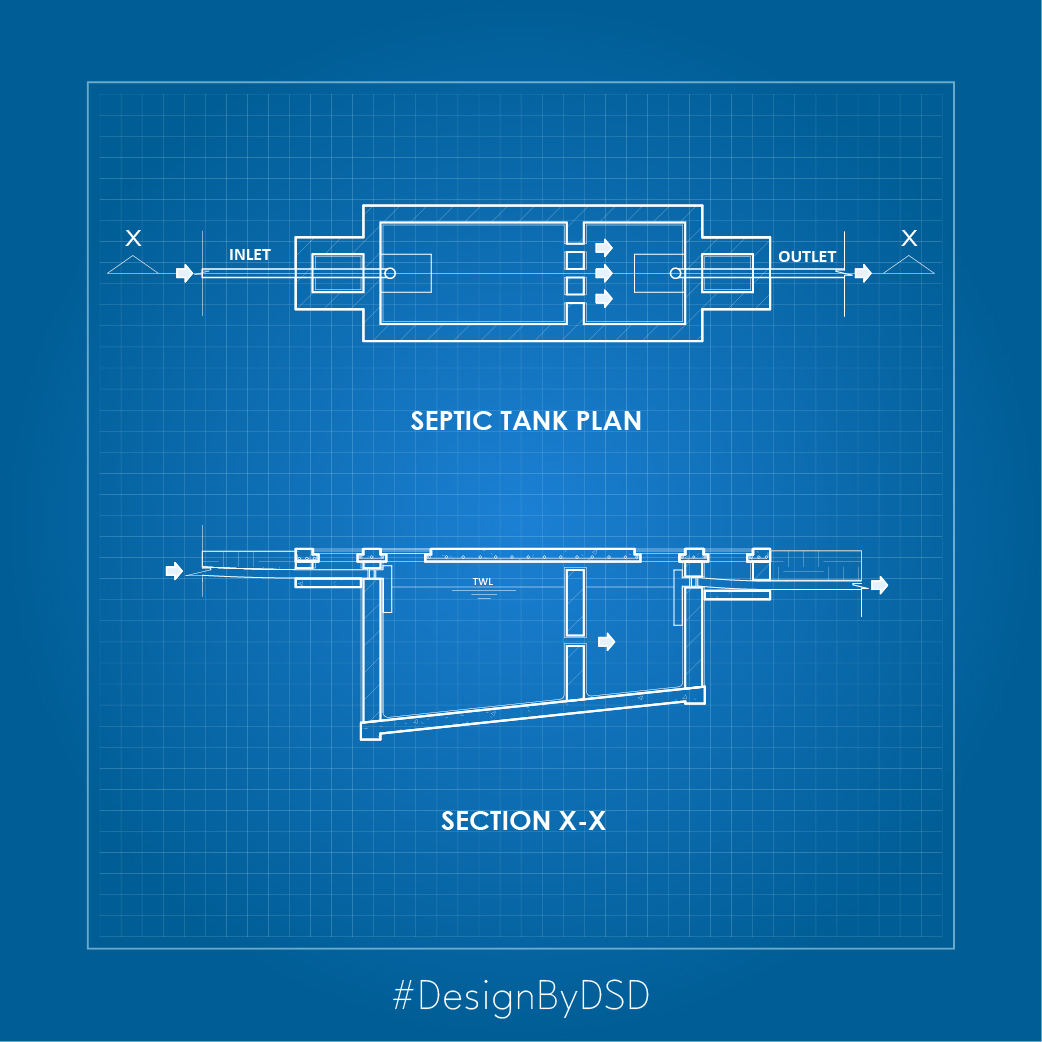
A conventional septic tank is an on-site wastewater treatment system that functions through the process of sedimentation, bacterial decomposition, and effluent filtration. Its working mechanism includes:
- Separation of Waste: Solid waste settles at the bottom, forming sludge, while lighter materials like oils and grease float as scum.
- Bacterial Decomposition: Anaerobic bacteria naturally present in human waste break down organic material in the sludge. This digestion process reduces the volume of solids and produces gases like methane and carbon dioxide which are vented safely.
- Effluent Discharge: The treated liquid effluent flows into a soak pit or drainage field, where further filtration occurs through soil infiltration, reducing contaminants before reaching groundwater sources.
- Maintenance Needs: Septic tanks require periodic pumping to remove accumulated sludge and maintain efficiency. If sludge occupies more than one-third of the tank’s volume, performance declines, leading to blockages and environmental hazards.
A properly built and maintained septic tank can effectively treat household wastewater by removing 30-50% of organic pollutants and 40-60% of solid particles, serving as an efficient primary treatment system.
Septic Tank Design

How Traditional Biodigesters Work
Biodigesters function similarly to septic tanks but incorporate enhanced bacterial activity to accelerate the decomposition of waste. Key advantages include:
Key Advantages
- Enhanced Bacterial Environment: Controlled conditions accelerate waste breakdown
- Reduced Sludge Accumulation: More efficient decomposition means less frequent emptying
- Biogas Potential: Some systems capture methane for cooking or heating
- Better Odour Control: Superior anaerobic conditions reduce unpleasant smells
How They Work
Biodigesters use the same bacterial principles as septic tanks, but with:
- Improved tank design for better waste circulation
- Enhanced bacterial colonies for faster decomposition
- Better gas management systems
- More efficient liquid-solid separation
Unlike septic tanks, biodigesters are designed to optimise microbial action, ensuring that organic waste is degraded more efficiently.


Left (Top), HomeBiogas Bio-Digester | Right (Bottom), Dandora Estate Waste Water Treatment Plant
The New "Advanced Biodigesters" Without Bacterial Action
A new type of biodigester has recently emerged in the Kenyan market, claiming to process waste without the use of bacteria. These systems differ from traditional biodigesters in several key ways:
- Unknown Decomposition Process: It remains unclear how organic waste breaks down in these units without the action of bacteria.
- Chemical or Mechanical Action: Some of these systems may use chemical additives, enzymes, or filtration mechanisms rather than biological processes.
- Efficiency Concerns: The absence of bacterial digestion could lead to faster sludge accumulation, resulting in more frequent maintenance and potential blockages.
Concerns About Unproven Technology
Important Note: All biological waste treatment fundamentally relies on microbial activity. Claims of “bacteria-free” systems are misleading, as decomposition of organic waste cannot occur without microorganisms.
Without extensive independent testing, these systems pose several risks:
- Unknown long-term performance
- Potential for accelerated sludge accumulation
- Uncertain environmental impact regarding proper waste breakdown and safe effluent discharge
- Possible non-compliance with Kenyan regulations
The effectiveness and safety of these advanced biodigesters remain questionable until more research is conducted.
Key Comparisons: Biodigesters vs. Septic Tanks
Feature | Conventional Septic Tank | Traditional Biodigester | New Biodigester (No Bacteria) |
Waste Breakdown | Natural bacterial decomposition | Enhanced bacterial activity | Unclear (possibly chemical/mechanical) |
Maintenance Frequency | Every 2-3 years | Every 3-5 years | Unknown (potentially more frequent) |
Environmental Impact | Moderate (if well-maintained) | More eco-friendly, reduces sludge and odours | Uncertain, depends on disposal method |
Long-Term Cost | Moderate, due to pumping costs | Lower, due to reduced maintenance | Unpredictable, depending on performance |
Technical Requirements and Regulations
Kenya Building Code Specifications
- Minimum tank volume: 1,700 litres for standard households
- Recommended volume: 3,000 litres for 3+ bedroom homes
- Retention time: Minimum 24 hours for proper treatment
- Soak pit distance: At least 30 meters from water sources
Soil Considerations
- Clay soil: Requires larger soak pits and possible drainage improvements
- Sandy soil: Better drainage but may need groundwater protection measures
- Rocky terrain: May require alternative effluent disposal methods
Environmental Compliance
Under Environmental Management and Coordination Act (EMCA) and National Environment Management Authority (NEMA) guidelines:
- Systems must prevent groundwater contamination
- Regular maintenance records must be kept
- Professional installation and commissioning required
Making the Right Choice: Decision Framework
Choose a Conventional Septic Tank If:
- Budget is a primary concern
- You prefer proven, well-understood technology
- Local maintenance services are readily available
- Your property has adequate space for installation
Choose a Traditional Biodigester If:
- You want reduced maintenance requirements
- Environmental impact is a priority
- You’re interested in potential biogas production
- Long-term operational savings matter more than initial cost
Approach Advanced Biodigesters With Caution If:
- The manufacturer cannot provide independent performance data
- No long-term maintenance guarantees are offered
- The system lacks NEMA approval or certification
- Claims seem too good to be true
New biodigester systems must demonstrate equivalent or superior performance to traditional septic tanks in terms of wastewater retention time and treatment efficacy. This includes validating their ability to achieve comparable levels of solid separation and decomposition.
Installation and Maintenance Best Practices
Professional Installation Checklist
- Verify installer certification and experience
- Ensure compliance with local building codes
- Confirm proper sizing for your household
- Check warranty terms and maintenance agreements
Maintenance Requirements
All Systems Need:
- Regular inspection (every 6 months)
- Professional pumping when needed
- Inlet/outlet monitoring
- Record keeping for compliance
Warning Signs:
- Slow drainage or backups
- Strong odours around the system
- Wet spots over the drain field
- High nitrate levels in nearby wells
Environmental Impact and Sustainability
Groundwater Protection
All systems must maintain:
- Minimum 2-meter separation from groundwater table
- Proper effluent treatment before soil discharge
- Regular monitoring of nearby water sources
Climate Considerations
- Biogas capture can reduce household carbon footprint
- Proper maintenance prevents methane emissions
- Efficient treatment protects local water resources
Frequently Asked Questions
Q: Can I upgrade from a septic tank to a biodigester? A: Yes, but it typically requires complete system replacement rather than conversion.
Q: How do I know if my waste management system is working properly? A: Look for normal drainage, absence of odours, and clear effluent in the soak pit area.
Q: What happens during the rainy season? A: Well-designed systems handle increased water flow, but poor drainage can cause problems.
Conclusion
While bacteria-free biodigesters may seem like an innovative solution, it is crucial to scrutinise the science behind them. Traditional biodigesters and septic tanks have been extensively studied and proven effective in wastewater management. Homeowners should demand transparency from manufacturers and developers promoting this new, unproven technology. As a property owner, it’s important to consider long-term functionality before making a decision.
For expert guidance on your house design and the waste management system for your property, contact us today!
Additional Information
Learn more about Design Thinking. Sign up for our newsletter to keep up to date with the latest building and design stories. For more information about our services, check out derricksteven.com/services.


